Blog

Celebrating 30 Years of Serving the Delaware Valley
September 24, 2026A Look Inside Our 30th Anniversary Special Edition
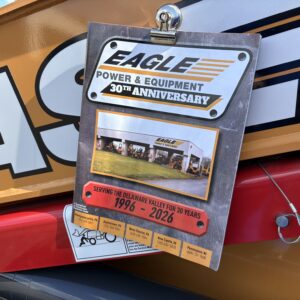
This fall, Eagle Power & Equipment is proud to share a special milestone with our customers, partners, employees, and friends as our 30th Anniversary commemorative insert appears in the Northeast Edition of Construction Equipment Guide.
While the publication highlights the growth of our company from two locations in 1996 to five locations serving Pennsylvania, Delaware, New Jersey, and Maryland today, it is ultimately a story about people. It is a reflection on the relationships, hard work, and shared commitment that have made three decades of success possible.
The anniversary issue traces our roots back to founder Jerry McDonald, whose journey in the equipment industry began long before Eagle Power & Equipment was established in 1996. It explores how a family-owned business built on integrity, honesty, and customer service evolved into one of the region’s leading construction and compact equipment dealerships.
At the heart of the story is family. The publication shares how Jerry’s vision continues today through the leadership of Matt McDonald and Bridget McDonald, who have carried forward the values that shaped the business from day one: treat people fairly, solve customer problems, and build relationships that last.
Why Are More Contractors Renting Equipment Instead of Owning Every Machine?
August 29, 2026Buying a machine and then watching it sit in the yard for three weeks between jobs is a specific kind of pain. That’s the calculation pushing more contractors toward rentals: renting heavy equipment keeps cash free for the work actually happening instead of parked in a piece of steel between projects. It also gives crews room to respond to a slow month, a rush order, or a job that suddenly calls for a machine nobody currently owns.
So what are the benefits of renting heavy equipment, exactly? Short version: you get the machine you need, when you need it, without turning it into a permanent line item on the books.
Why are contractors choosing rentals over ownership?
Because most jobs don’t need every machine every day. One project calls for a mini excavator, the next needs a roller, a third only needs a bigger excavator for a two-week excavation phase. Buy all three and two of them sit idle most of the year.
Renting lets a contractor build a fleet around the work in front of them instead of guessing at everything that might come up later. At Eagle Power & Equipment, Inc., rentals run daily, weekly, or monthly, so the equipment schedule can actually match the project schedule rather than the other way around.
What are the benefits of renting heavy equipment for cash flow?
Mainly, you skip the large upfront hit. Instead of sinking capital into a machine that might not earn its keep every single week, a contractor pays for it during the stretch it’s actually working.
That said, the real math depends on rental rates, how much the machine gets used, and what ownership would have cost over the same period. Worth running the numbers either way before deciding.
Can renting get contractors into more specialized machines?
It can, and this is one of the more underrated benefits of renting heavy equipment. A trench roller, a specific excavator attachment, a bigger dozer, these aren’t always worth owning outright, but a project might need one for a week or two.
Our rental inventory covers excavators, mini excavators, dozers, loader backhoes, rollers, skid steers, track loaders, trench rollers, wheel loaders, and attachments. That range matters because it means contractors can pick equipment to fit the task instead of working around whatever’s already sitting in the yard.
What are the benefits of renting heavy equipment when the job changes mid-stream?
Flexibility is the main advantage. Weather changes, unexpected site conditions, or revised customer requirements can quickly alter a construction schedule. Renting heavy equipment makes it easier to respond without owning a machine that may no longer be needed.
Daily, weekly and monthly rental terms allow contractors to adjust equipment as project demands change. This approach can help control costs, avoid idle machinery, and keep crews equipped with the right machines throughout each stage of the job without committing to long-term ownership.
What can contractors actually rent, job by job?
- Excavators and mini excavators: digging, trenching, grading, site prep
- Skid steers and track loaders: material handling and attachment work
- Dozers: pushing, spreading, rough grading
- Rollers and trench rollers: compaction, soil or asphalt
- Loader backhoes: jobs needing both digging and loading
- Wheel loaders: moving aggregate, soil, and other bulk material
- Attachments: augers, grapples, hammers, forks, for the specific task at hand
Eagle’s current inventory covers all of these categories, plus a solid range of attachments.
Is renting the better call for short-term jobs?
Usually, yes. Buying heavy equipment for a project that may only last a few weeks can tie up money in a machine you may rarely use again. Renting gives contractors access to the right equipment without the long-term costs of ownership, including storage, maintenance, and depreciation.
It also makes it easier to choose a machine based on each project’s needs. For short-term work, rental equipment can provide flexibility while allowing contractors to test different machines before deciding whether purchasing one makes sense.
Can renting help before a big purchase decision?
Yes. Renting heavy equipment gives contractors a chance to try a machine, on a real job before buying it. You can see how well it performs, how easy the controls are to use, whether the attachments work for your needs and whether the machine is the right size for your jobsite. A spec sheet can show features and capacity, but using the equipment firsthand gives you a better idea of how it will work for your crew.
At Eagle Power & Equipment, Inc., contractors can compare renting and buying based on their actual work and expected usage, rather than price alone.
When does buying actually make more sense?
When a machine’s going to see heavy, consistent use for years. High utilization spreads the ownership cost across enough projects that a purchase pencils out. Financing, depreciation, maintenance, storage, insurance, resale value, all of that factors in. Frequent, recurring use tends to favor buying; short-term or occasional need tends to favor renting heavy equipment instead.
The benefits of renting heavy equipment start to shrink the more consistently a machine gets used, at Dsome point, ownership just becomes the cheaper option.
How should a contractor actually decide?
Start by looking at how often you will use the machine. How many days will you need it? Will you need the same type of equipment again soon? Then compare the total cost of renting with the cost of buying, and maintaining the machine.
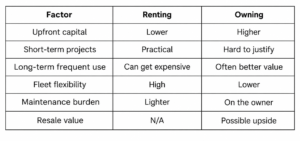
So, what are the benefits of renting heavy equipment? Flexibility is the main one. If your work changes from project to project or is seasonal, renting can make more sense. If you use the same machine regularly buying may offer better value.
Frequently asked questions
What are the benefits of renting heavy equipment?
Lower upfront cost, more flexibility, access to specialized machines and less long-term maintenance responsibility.
Is renting cheaper than buying?
For short-term or occasional use, often yes. Compare rental costs against ownership expenses, maintenance, storage, insurance, and depreciation before deciding.
How long can contractors rent equipment for?
It varies by machine and project. We offer daily, weekly and monthly options.
Should contractors rent specialized equipment?
Generally, yes, it gets you access to machines and attachments without the cost or storage headache of owning them outright.
Should a contractor rent before buying?
Worth doing when possible. A rental lets you test a machine on a real jobsite before committing to the purchase.
Where Do Compact Loaders Fit Into Landscaping, Construction, and Property Maintenance Work?
August 22, 2026A compact loader earns its keep by doing what a bigger machine can’t: squeeze through a gate, work around a flower bed, or turn from digging to sweeping without leaving the job site. That’s the whole appeal. Instead of trucking in a different machine for every smaller task, a crew swaps attachments on one loader and keeps moving.
So what are avant loaders used for, in practice? Moving material, digging, grading, tree work, snow removal, sweeping, general grounds maintenance- the exact job depends on the model and whatever attachment is bolted on that day.
Why are compact loaders useful across so many different jobs?
Because they combine two things at once: a small footprint and a wide range of attachments. We list applications spanning landscaping, construction and demolition, tree services, snow removal, and municipal maintenance, which is a lot of ground for one machine to cover.
That range matters most for contractors whose work shifts from one day to the next. A loader moving material in the morning might be doing cleanup or grounds work by afternoon, as long as the right attachment is on hand.
What are avant loaders used for in landscaping?
On a landscaping job, a compact loader typically moves material, preps ground, clears debris, and helps maintain finished areas. Its smaller size makes it easier to work around homes, lawns, planting beds, and other features that a bigger machine would struggle with, or damage.
Fitted with the right tools, it can dig, grade, mow, handle material, and even remove stumps. We point to artificial turf and sports facility maintenance as applications for the Avant range.
For landscaping crews, swapping attachments matters almost as much as the loader itself. One machine can carry a project through several stages without a separate power unit for each one.
Can compact loaders handle construction work?
Yes, within reason. They can move material, prep work areas, clear debris, and take on smaller excavation or grading tasks, jobs that don’t call for the size or capacity of a full-size loader.
What jobs are Avant loaders suited for on a construction site specifically? Material handling, site prep, cleanup, and any work in restricted areas a larger machine can’t reach. The model still has to match the load, the ground conditions, and the required lift capacity, though.
A compact loader isn’t meant to replace every piece of construction equipment. Major excavation or heavy production work still calls for a dedicated excavator or full-size loader. Where the compact loader wins is versatility on jobs where maneuverability matters more than raw power.
Are compact loaders suitable for tree and property maintenance?
Yes, this is actually one of their stronger use cases. They can move through areas where larger equipment causes more disruption than it’s worth. We have highlighted our use in tree removal, stump grinding, material handling, and general work around lawns and turf.
With the right attachments, they go past just hauling material. They can grind stumps, handle logs and branches, drill, trim hedges, and clean up afterward.
Which tasks can Avant loaders handle, then, if a contractor bounces between property jobs all week? One machine, different attachments, same loader underneath.
Which attachments actually make the loader more useful?
Attachments are the reason a compact loader can do so much. Avant’s range includes more than 190 of them. Some of the more common ones:
- Buckets move soil, gravel, mulch, and loose debris
- Grapples handle branches, logs, roots, and bulky material
- Augers drill holes for landscaping and construction
- Stump grinders remove unwanted tree stumps
- Sweepers clean paved areas and walkways
- Mowers keep grass and vegetation under control
- Snow attachments clear sidewalks and other surfaces
- Forks move pallets and similar loads
The right attachment is whatever matches the work a crew actually does. Buying one just because it exists doesn’t make the machine more useful, it just adds clutter to the trailer.
Can compact loaders work in tight spaces?
Yes, that’s essentially the point. Their size lets them work around buildings, narrow access points, landscaping, sidewalks, and other obstacles that would stop a larger machine cold.
This is part of the query many people have: “What are avant loaders used for?” which often depends on the site as much as the task. A landscaping contractor might pick a compact loader specifically because it can reach parts of a property that bigger equipment can’t touch. We have also noted how well the machines maneuver around landscape details while keeping impact on lawns and turf to a minimum.
That said, not every compact loader fits every location. Width, height, operating weight, access points, and ground conditions are all worth checking before the machine ever shows up on site.
Can one compact loader replace several pieces of equipment?
It can reduce the number of machines that show up to a job, but it’s not a stand-in for everything. The real advantage is pairing one loader with attachments suited to the work at hand, a bucket for material, a grapple for tree debris, a snow attachment once winter hits.
So where do Avant loaders fit in, if not replacing an entire fleet? Acting as one flexible power unit that changes roles as the workload changes, rather than sitting idle between very specific jobs.
How should contractors choose the right compact loader?
Match the machine to the work, not the other way around. The biggest or most powerful option isn’t automatically the right one. A few things worth checking first:
- Type of work: what will the loader actually be doing most often
- Site access: gates, pathways, doorways, and other tight spots
- Load requirements: weight and size of the material being handled
- Attachments: whether the machine can run the tools the job needs
- Ground conditions: lawns, turf, pavement, slopes, uneven ground
- Frequency of use: daily, seasonal, or occasional
At Eagle Power & Equipment, Inc., contractors can look at avant loaders and attachments based on their applications, site conditions, and equipment needs. The lineup runs from the 200 Series through the 800 Series, so there’s some room to match machine size to the actual job.
Frequently asked questions
What are avant loaders used for?
Landscaping, tree care, construction, property maintenance, material handling, and snow removal. The attachment options are what let one machine handle so many different tasks.
Are compact loaders good for residential landscaping?
Yes. Their size makes them easy to work around lawns, homes, planting areas, and other spaces where bigger equipment tends to get in its own way.
Can avant loaders be used for snow removal?
Yes, with the right attachment. Clearing sidewalks and walkways is one of their more common seasonal jobs.
Are compact loaders useful for tree removal?
Yes. Paired with the right attachments, they can handle stump grinding, log handling, debris removal, and cleanup.
What should I consider before buying a compact loader?
The type of work, available space, lifting needs, ground conditions, and attachments you’ll actually use. At Eagle Power & Equipment, Inc., the goal is matching the machine to both current work and where the workload is headed.
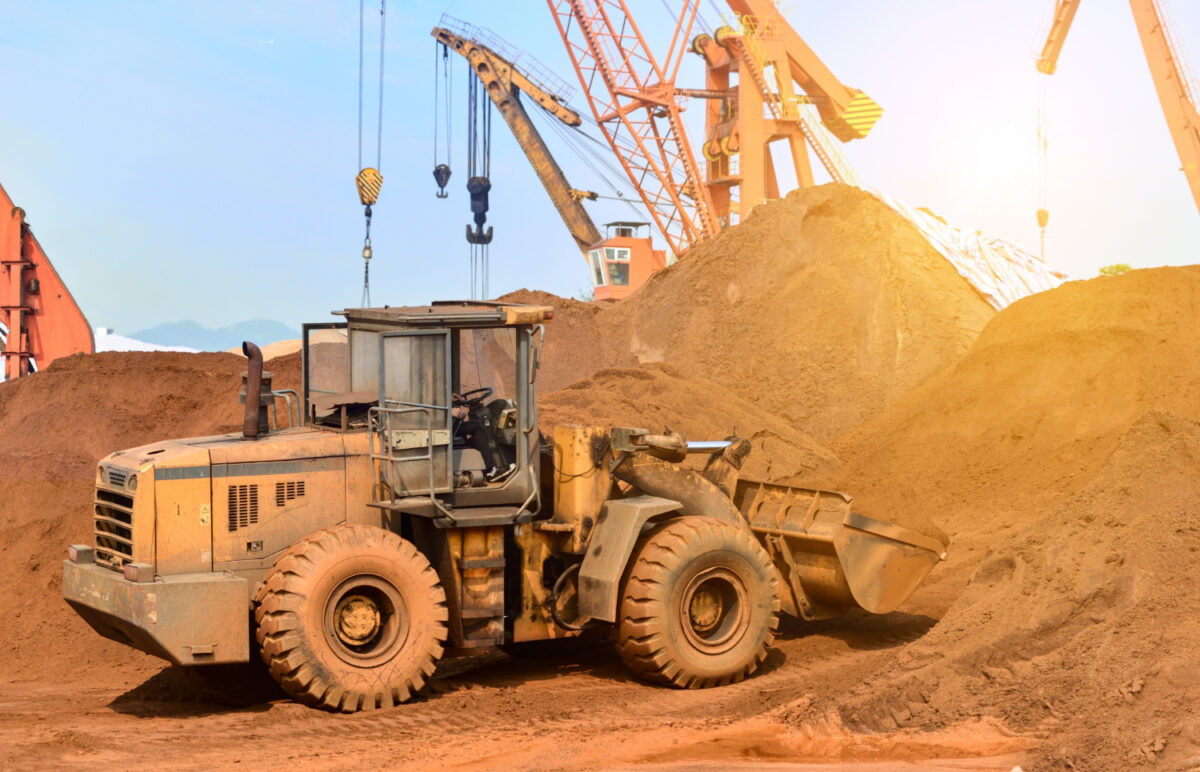
What Should You Know Before Renting Construction Equipment for a Job?
August 15, 2026Renting instead of buying gives contractors access to the machines they need without the headache of owning, storing, and maintaining every piece of equipment year-round. If you’re wondering “How do heavy equipment rentals work?”, the short version is: pick the right machine, check that it’s available, review the terms and arrange delivery or pickup. Cost depends on the equipment itself, how long you need it, and a few other factors.
Heavy equipment rentals make the most sense for short-term projects, seasonal work, or jobs that only call for a specialized machine once in a while. If you’ve typed something like “equipment in rentals work” into a search bar trying to sort this out, you’re really asking the same basic question everyone asks before signing a contract.
Before you sign anything, make sure you actually understand the equipment, the terms, who’s responsible for what, and the total cost.
How do heavy equipment rentals work?
A contractor picks the machine they need, confirms it’s available, agrees on a rental period, and reviews the terms before taking the equipment to the jobsite.
Generally, the process looks like this;
- Choose equipment based on the job.
- Check availability for the dates you need.
- Review the rate and terms.
- Arrange delivery or pickup.
- Inspect the equipment before you start using it.
- Return it according to the agreement.
The type of project usually decides which machine makes sense. Excavators, loaders, and skid steers are all built for different jobs, so pick based on what the work actually requires, not just which machine looks biggest, or most capable on paper.
Why rent construction equipment instead of buying it?
Renting makes sense when you only need a machine for a limited stretch, or you don’t use it often enough to justify owning one. Buying comes with its own baggage: storage, maintenance, insurance, and the fact that equipment loses value once you take it home.
With heavy equipment rentals, you get the machine when you need it and hand it back when you’re done. That’s especially useful for contractors juggling different kinds of work throughout the year.
Renting also lets you use newer or more specialized equipment without committing to buying it outright.
How do you choose the right machine for a construction job?
It depends on the work itself, the site, how much space you’ve got, and how much capacity you actually need. An excavator makes sense for digging. A skid steer is often the better call for material handling or tighter spaces.
Worth thinking through:
- Type of work
- Required lifting or digging capacity
- Jobsite size
- Ground conditions
- Operating height and reach
- Attachments you’ll need
- Operator experience
Pick the equipment first, before anything else. Renting the wrong machine wastes time and drives up costs fast.
What should you check before renting construction equipment?
Before you accept the machine, look it over and confirm it actually matches what you agreed to. Check the controls, tires or tracks, attachments and any visible hydraulic or mechanical parts.
Ask the rental company about operating instructions, who handles maintenance, and what to do if something goes wrong mid-job.
It also helps to confirm the rental period and return requirements before the machine ever gets to the jobsite. Sorting that out upfront saves you from surprise charges later.
How long can you rent heavy equipment?
Rental periods vary depending on the provider and the equipment itself. You might rent something for a single day, a few days, several weeks, or longer, depending on availability and what the job needs.
A short job might only need a single-day rental. A bigger project might make more sense as a weekly or monthly arrangement.
If you’re trying to figure out “how do heavy equipment rentals work?” for a longer project specifically, talk through the schedule with the rental provider before work starts. Extending a rental isn’t always guaranteed, since another customer might already have the machine reserved.
What costs should you expect when renting equipment?
The base rental rate is just one piece of the total cost. Ask about delivery, pickup, fuel, damage policies, attachments, cleaning requirements, and any other fees that might sneak in.
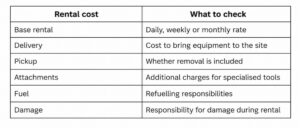
Knowing the full cost picture makes it a lot easier to compare heavy equipment rentals across different providers, whether you call it comparing quotes or just trying to figure out how equipment in rentals work before you commit to one.
Does rented equipment come with attachments?
Depends on the machine and the provider. Some equipment comes with attachments like buckets, forks, or blades already included.
Attachments can turn one machine into something useful for several different tasks, but they can also bump up the price. Ask what’s actually included before you agree to anything.
If you’ve searched something like “equipment in rentals work” trying to figure out what comes standard, the real answer is: ask the provider directly which attachments are compatible and whether they’re part of the quoted rate or billed separately.
What happens if rented equipment breaks down?
Stop using it and call the rental provider right away, following whatever the agreement says. Continuing to run a machine with a serious problem is a safety risk, and it can turn a small issue into an expensive one.
Before you rent, ask whether breakdown assistance is available and how fast they can actually get someone out to help.
At Eagle Power & Equipment, Inc., contractors can talk through their equipment needs with a team that knows construction machinery well. Understanding what kind of support is available before you commit can matter a lot once equipment becomes the thing standing between you and a finished project.
How do heavy equipment rentals work at Eagle Power & Equipment, Inc.?
It starts with figuring out exactly what the job needs, then talking through availability, terms, and project details.
The company works with contractors who need dependable machines for their projects. The right rental depends on the type of work, the site, and how long you’ll actually need the equipment.
Before committing to anything, talk the job through with the rental team and make sure both the machine and any attachments are actually right for what you’re doing.
What should you know before signing a rental agreement?
Read the agreement closely before you take the equipment anywhere. Understanding how equipment rental agreements work can help you pay attention to dates, rates, delivery arrangements, fuel requirements, damage responsibilities, and return conditions.
Also worth asking:
- What happens if the project runs longer than planned?
- Who handles mechanical problems?
- Are attachments included?
- Is delivery billed separately?
- What condition does the equipment need to be returned in?
- Are there cleaning or fuel requirements?
Really understanding “how do heavy equipment rentals work?” means knowing your responsibilities, not just the price tag.
Frequently asked questions
How do heavy equipment rentals work?
Choose the right machine, confirm it’s available, agree on a rental period, and review the terms. The equipment gets delivered or picked up, used as agreed, and returned when the rental period ends.
How much does renting heavy equipment cost?
Depends on the machine, how long you need it, and any extra services. Delivery, attachments, fuel, and damage policies can all affect the final number.
What equipment can you rent for construction work?
Common options include excavators, skid steers, loaders, and other machines built for digging, grading, lifting, and material handling. What’s available depends on the provider.
Can I rent equipment for a long-term project?
Yes, usually. Depending on availability, equipment can often be rented for days, weeks, or months. Talk through your timeline with the provider ahead of time.
Who handles repairs on rented equipment?
Depends on the agreement. Contact the provider before attempting any major repair yourself, especially if there’s a real mechanical issue involved.
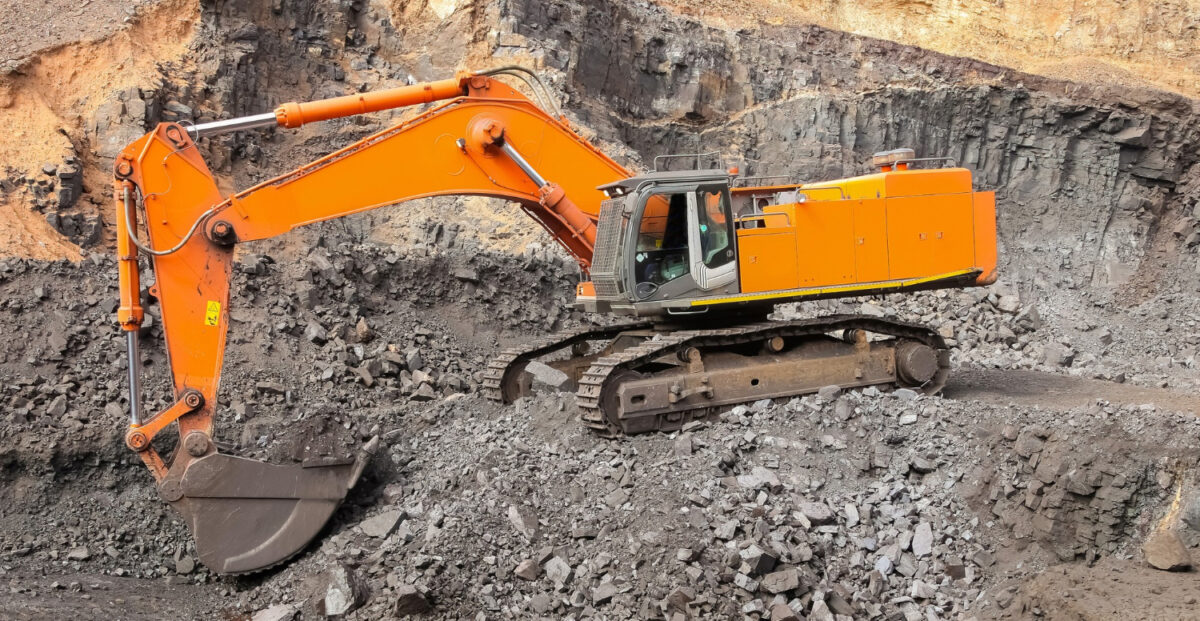
How Well Do Kubota Excavators Hold Up on Real Construction Jobs?
August 8, 2026Kubota excavators can hold up well on real jobs, but it depends on two things: whether the machine actually fits the work, and whether it gets maintained. They show up on all kinds of sites: digging, trenching, grading, drainage, landscaping, site prep, with different models built for different loads. How long one lasts really depends on operating conditions, upkeep, machine size, and how hard it gets pushed.
A compact excavator might be perfect for a tight residential lot. A bigger model handles the heavier stuff. Are Kubota excavators reliable Generally, yes. But picking the right size and sticking to a maintenance schedule matters, more than the brand name on the side.
Are Kubota excavators reliable for everyday construction work?
Yes, when they’re chosen well and looked after. Contractors run them for trenching, excavation, grading, drainage, and general site work all the time.
Reliability isn’t just about the manufacturer, though. Operating conditions, workload, maintenance, and how the operator treats the machine all shape, how it performs over the years. A machine used within its limits and serviced on schedule is going to outlast one that’s constantly pushed too hard or neglected. That part isn’t specific to Kubota; it’s true of any excavator.
What makes Kubota excavators useful on construction sites?
Kubota builds excavators across a range of sizes, so contractors can pick equipment that fits the space and the workload instead of settling for one-size-fits-all. Compact models get into tight spots larger machines can’t touch. Bigger excavators bring more digging and lifting power when the job calls for it.
Compact models tend to shine for-
- Residential construction
- Landscaping
- Utility installation
- Drainage work
- Site preparation
- Confined-access projects
Larger machines make more sense for deeper excavation, heavier material handling, and bigger jobs generally.
The goal isn’t grabbing the biggest excavator available. It’s finding one with enough capacity for the job, without paying for transport and operating costs you don’t need.
How do Kubota excavators perform on demanding jobs?
Performance varies by model. That’s really the honest answer. The right machine matches the job’s digging depth, lifting needs, ground conditions, and expected workload.
Contractors lean on excavators for foundation excavation, utility trenching, grading, drainage, site clearing, landscaping, material handling, and demolition cleanup.
So, how reliable are Kubota excavators for demanding work? Look at the specific model, not just the brand. A compact machine was never meant to do a big machine’s job, and expecting otherwise sets you up for disappointment.
What should contractors consider when choosing a Kubota excavator?
The right excavator matches the work. It’s not about brand loyalty or grabbing whatever’s cheapest. Look at digging depth, reach, operating weight, lifting capacity, hydraulic performance and available attachments.
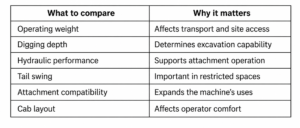
These specs give you a much better basis for a decision than reputation alone.
Are Kubota excavators comfortable for operators?
Comfort actually matters here. Someone’s sitting in that seat for hours at a stretch. Kubota builds its excavators with operator controls, visibility, and cab features meant to hold up under regular jobsite use.
Exact features vary by model, so it’s worth comparing seating, control layout, visibility, and ease of operation before deciding. An operator who can work comfortably and actually see the dig area clearly tends to work more precisely too, especially around structures and utility lines.
How important is maintenance to Kubota excavator reliability?
Maintenance is a big deal, no matter whose name is on the machine. Regular servicing catches worn parts, and developing problems before they turn into unplanned downtime.
Operators should stick to the manufacturer’s recommended schedule and routinely check:
- Engine fluids and filters
- Hydraulic components
- Tracks and undercarriage
- Electrical connections
- Attachments
- Cooling system
- Fluid leaks
Daily inspections catch problems early too. An odd noise, a damaged part, a change in how the machine feels: none of that should get ignored.
So, can Kubota excavators stay reliable without regular maintenance? No. No excavator from any manufacturer holds up if basic servicing gets skipped.
Can Kubota excavators use different attachments?
Yes. Compatible attachments open up a lot of extra uses: buckets, breakers, augers, grapples, depending on the model.
The attachment has to match the excavator’s weight and hydraulic capacity, though. Push something too heavy or too demanding on hydraulics, and you’ll wear the machine down faster and hurt performance. Always confirm compatibility before bolting anything new on.
Are Kubota excavators suitable for smaller construction sites?
Compact Kubota excavators are a solid pick for tighter sites, since they take up less room and can maneuver where bigger machines can’t. They work well for residential jobs, landscaping, utility work, and drainage projects where a larger machine just wouldn’t fit.
But “compact” doesn’t mean “fits every task.” Check digging depth, reach, lifting capacity and hydraulic performance against what the project actually needs before assuming a smaller machine will do.
How does Eagle Power & Equipment help with equipment selection?
Picking construction equipment takes more than comparing spec sheets on paper. Contractors need to think about how the machine will actually get used, how often, and under what conditions.
At Eagle Power & Equipment, Inc., contractors can look through equipment options based on their actual job requirements. A good equipment provider helps you understand the real differences between models instead of just pointing you toward whatever’s in stock.
That kind of guidance matters most when you’re deciding between a compact and a larger excavator, or figuring out which machine actually fits a specific type of job.
How reliable are Kubota excavators over the long term?
Kubota excavators can deliver years of solid service when they’re maintained properly, operated correctly, and matched to the right kind of work. Long-term performance depends on operating hours, service history, working conditions and how the machine’s been treated along the way.
For used equipment, check the engine, hydraulics, tracks, attachments, and overall condition. Service records tell you a lot too. They’re basically a paper trail of how consistently the machine’s been cared for.
So, how dependable are Kubota excavators over the long term? They can be. But that reliability comes from equipment quality plus the right application plus regular maintenance plus responsible operation, all four, not just one.
Frequently asked questions
Are Kubota excavators reliable for contractors?
Yes, when they’re properly selected and maintained. Different models suit different workloads, so contractors should consider operating weight, digging depth, hydraulic capacity, and attachment compatibility before buying.
Are Kubota excavators suitable for heavy construction?
Some models are built for demanding work, while compact ones fit smaller jobs better. The right pick depends on digging requirements, lifting capacity, site conditions, and workload. Match the machine to the project not the other way around.
How long can a Kubota excavator last?
A properly maintained one can run for many years. Life expectancy depends on operating hours, maintenance history, working conditions, and operator habits. Staying on top of servicing and catching problems early both help extend that life.
Are Kubota compact excavators good for landscaping?
Yes. They can get into tighter areas than larger machines, and they handle digging, grading, drainage, and material handling well when properly equipped. Pick the model and attachments based on site access and workload.
What should I check when buying a used Kubota excavator?
Look at the engine, hydraulics, tracks, undercarriage, attachments, operating hours, and maintenance records. Watch for leaks, unusual sounds, and excessive wear. A professional inspection is worth the money before you commit to buying.
Can Kubota excavators remain reliable without regular maintenance?
No. No excavator stays dependable without proper maintenance. Routine servicing protects the hydraulic, engine, electrical, and undercarriage systems, and regular inspections catch leaks or odd noises before they turn into bigger problems.
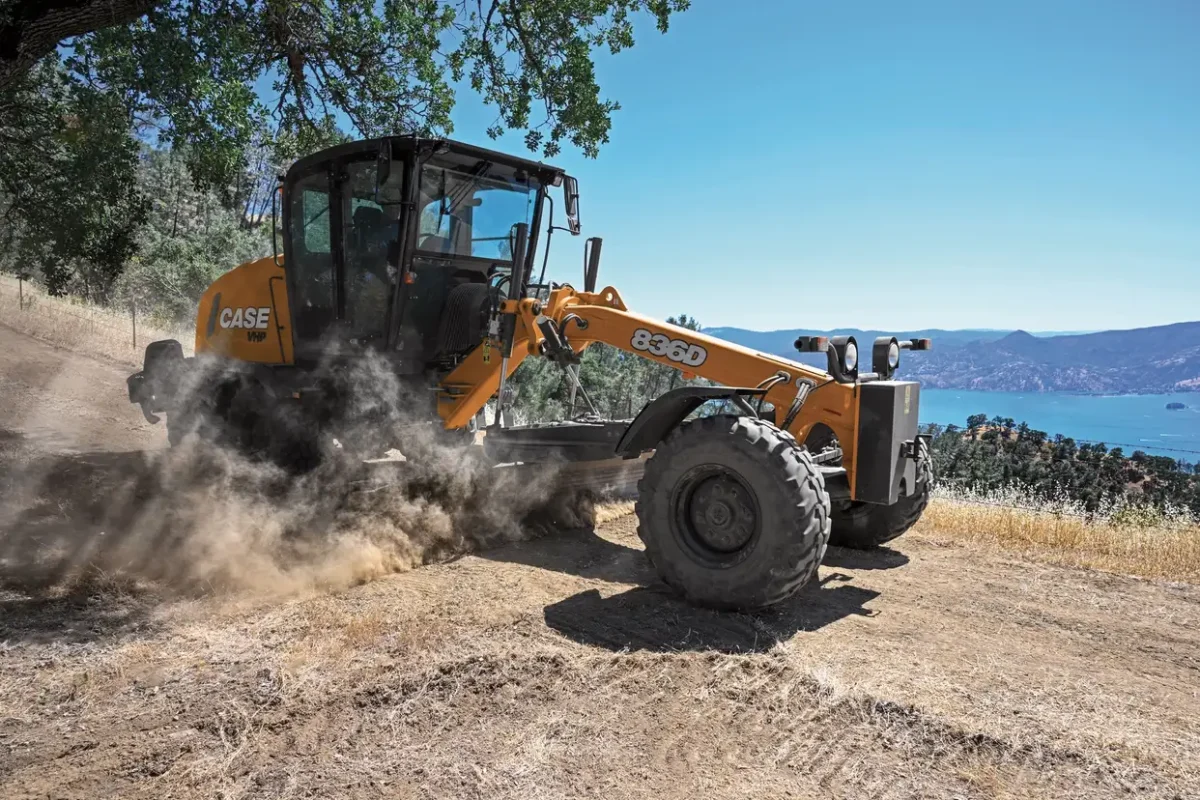
Jon Pardi’s California Ranch Project – Episode 5
August 6, 2026Episode 5 is here! 💪
Jon Pardi puts the CASE 836D to work, carving out new access roads and preparing the site for a major ranch upgrade, including a future helipad.
Together, we won’t back down.
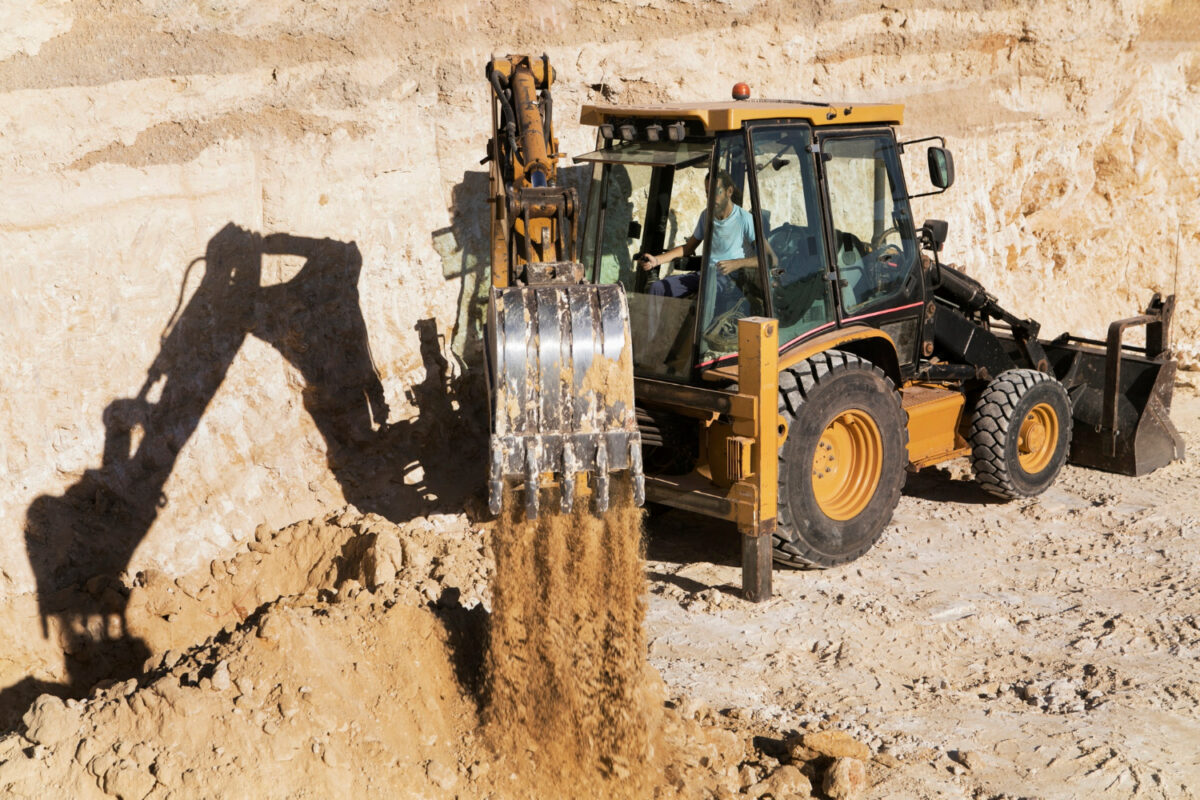
How Do You Choose the Right Skid Steer for Landscaping and Property Work?
August 1, 2026The right skid steer really depends on your job requirements, property size, terrain, attachments, and how much work you’re actually putting the machine through. Compact models fit tight residential spaces well. Larger machines bring more lifting capacity for heavier landscaping and property jobs.
When you’re deciding which skid steer is best for landscaping, think about maneuverability, lifting capacity, attachment compatibility, and the conditions you’ll be operating in. The machine should handle your regular tasks without being bigger, or harder to transport than you actually need.
At Eagle Power & Equipment, Inc., equipment options can be matched to your specific work needs.
Which skid steer is best for landscaping?
There’s no single “best” model. It depends on matching the machine to the work instead of picking based on size alone. Landscapers usually need something that can maneuver around buildings, handle uneven ground and run different attachments without a fuss.
A useful skid steer should offer;
- Enough lifting capacity for your materials
- Suitable operating width for the property
- Good visibility around the work area
- Attachment compatibility
- Comfortable controls
- Reliable performance for regular use
For smaller residential properties, a compact skid steer tends to be easier to work with. Larger crews on commercial sites usually benefit from the extra power and capacity a bigger machine brings.
How does skid steer size affect landscaping work?
Size affects maneuverability, lifting capacity, and where you’re actually able to work. A smaller skid steer earns its keep when access is limited by gates, fences, buildings, or narrow paths.
Larger machines generally bring more power and capacity, which helps when you’re moving heavy materials, grading big areas or running demanding attachments.
If you’re deciding which skid steer works best for landscaping, measure the spaces where you’ll actually use the machine first. A powerful machine isn’t the right call if it can’t even get onto the jobsite.
What attachments do landscapers need for a skid steer?
Attachments are what stretch a skid steer across all kinds of landscaping tasks. The right one depends entirely on the job in front of you.
Common options include:
- Buckets for moving soil, mulch, and debris
- Pallet forks for transporting materials
- Grapples for brush and larger debris
- Grading attachments for leveling ground
- Augers for digging holes
- Brush cutters for clearing vegetation
- Trenchers for utility and drainage work
That’s why attachment compatibility deserves a look before you buy or rent anything. The skid steer itself is only half the equation.
Is a compact skid steer better for residential landscaping?
A compact skid steer can be a great fit for residential work since it moves through tighter spaces and tends to cause less disruption around an established property.
Smaller machines are easier to transport and easier to work around gardens, driveways, and homes. Paired with the right attachments, they handle plenty of everyday landscaping tasks just fine.
That said, compact doesn’t automatically mean suitable for every job. If you’re regularly hauling heavy loads or clearing big areas you’ll probably need more capacity than a compact model can offer.
How much lifting capacity does a landscaping skid steer need?
For many landscaping jobs, a skid steer with a rated operating capacity of roughly 1,500 to 3,000 pounds can cover common material-handling and site-preparation work. Smaller compact models may fall below this range, while larger machines can offer considerably more capacity.
Pick a machine based on the heaviest materials you’ll regularly move rather than an occasional outlier job. Going too small can slow down work, while choosing far more capacity than you need can increase purchase, transport, and operating costs.
When you’re comparing which skid steer is best for landscaping, check the machine’s rated operating capacity against your typical loads and the attachments you’ll use.
Does the terrain affect which skid steer you should choose?
Yes, quite a bit, actually. Terrain shapes which skid steer and attachments make sense for the job. Landscapers deal with slopes, loose soil, muddy ground, gravel, and uneven terrain more often than you’d think.
Think through the ground conditions before settling on a machine. Traction, ground clearance, operating weight, and tire selection all factor into how well the skid steer performs on your particular site.
On properties where ground disturbance is a concern, the machine’s weight and tire setup matter even more.
Should landscapers choose wheels or tracks?
That decision depends on the surface and the type of work you’re doing. Wheeled machines handle firm surfaces well and work nicely for material handling, grading, and general property tasks. Track machines give you extra flotation and traction on softer or uneven ground.
If you’re still weighing wheels against tracks, think about where you’ll actually be using the machine most. The undercarriage you choose can make a real difference in both productivity and how much the ground gets torn up.
What should you consider before buying a skid steer?
Look past horsepower numbers. Your daily work should drive the decision, not the spec sheet.
Consider:
- Typical job size
- Available working space
- Heaviest materials you’ll handle
- Required attachments
- Ground conditions
- Transportation needs
- Maintenance requirements
- Expected annual usage
A machine that actually fits your workload beats one you picked just because it had the highest numbers on paper.
Is a used skid steer suitable for landscaping?
A used skid steer can be a smart, practical choice as long as it’s been well maintained and priced fairly for its condition. Before buying used, inspect the tires or tracks, hydraulics, attachment points, engine, controls, and overall operating condition.
Service history tells you a lot too. A well-maintained machine tends to keep performing reliably, while a neglected one can turn into a string of costly repairs.
If you’re researching the best skid steer for landscaping compare the condition and history of used equipment against the cost and warranty benefits of buying new.
Where can you find the right skid steer and attachments?
Choosing the right equipment gets a lot easier when you can compare machines, attachments, and specs based on your actual work, not just brochures. At Eagle Power & Equipment, Inc., we offer equipment solutions for contractors, landscapers and property professionals who need dependable machines for demanding jobs.
When comparing the right skid steer for landscaping, walk through your typical projects, preferred attachments, and jobsite conditions with an equipment professional. That conversation alone can narrow down the options and keep you from paying for features you’ll never actually use.
The team can also help you compare equipment options based on how you’ll really use the machine, rather than just steering you toward the biggest model on the lot.
Frequently asked questions
Which skid steer is best for landscaping?
It depends on your job size, terrain, available space, and attachments. Compact models suit tight residential areas, while larger machines handle heavier commercial landscaping tasks better.
What size skid steer is best for landscaping?
Compact skid steers work well for smaller properties and restricted spaces. Larger models give you more lifting capacity for heavy materials, and demanding jobs.
Can a skid steer be used for grading?
Yes. With the right bucket, blade, or grading attachment, a skid steer can move soil, level surfaces, and prep areas for landscaping.
Are skid steers good for residential landscaping?
Yes. They handle tasks like moving soil, clearing debris, grading, and preparing planting beds. Compact models are usually easier to maneuver around homes.
Should I buy a skid steer or rent one?
Buying tends to suit contractors who use equipment regularly. Renting makes more sense for occasional projects or specialized short-term jobs.
Which attachments are useful for landscaping?
Buckets, grapples, pallet forks, augers, trenchers, grading attachments, and brush cutters all expand what a skid steer can handle across landscaping work.
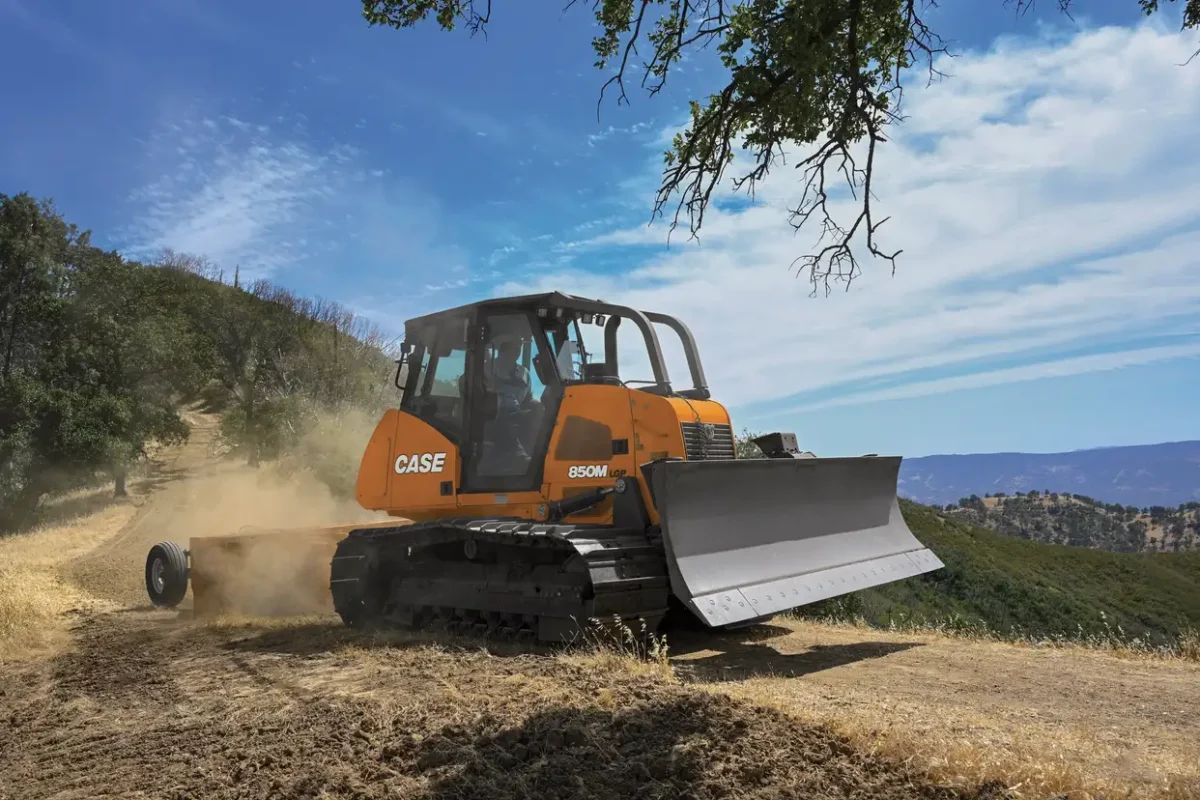
Jon Pardi’s California Ranch Project – Episode 4
July 30, 2026Right Hand Canyon offers no shortcuts.
In Episode 4 of Jon Pardi’s California Ranch Project, Jon takes on steep, rocky terrain, putting the CASE TV370B and 850M to work climbing, clearing and grading.
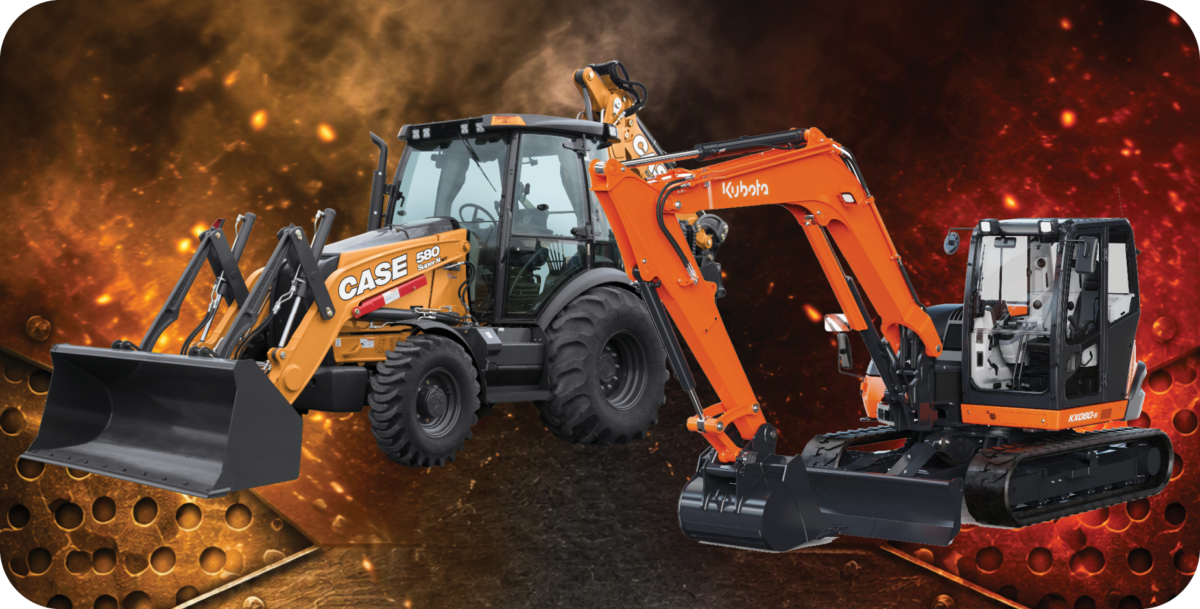
Extended Warranty Options for CASE and Kubota Equipment Owners
July 29, 2026YOUR WORK DOESN’T END EARLY; NEITHER SHOULD YOUR WARRANTY!
Plan the next steps for your equipment’s coverage with your Eagle Power PSSR.
Jon Pardi’s California Ranch Project – Episode 3
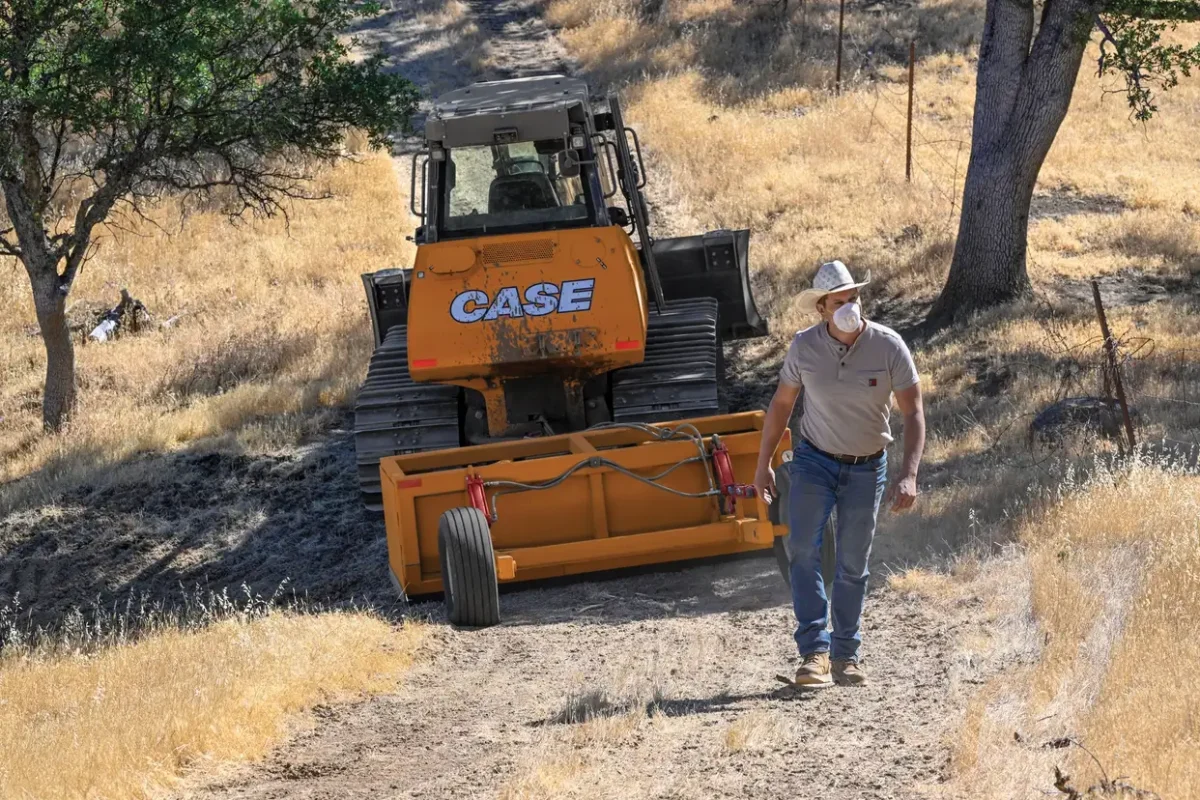
July 25, 2026In Episode 3 of Jon Pardi’s California Ranch Project, Jon returns to Lion Canyon to restore roads running through steep, unforgiving terrain.
Out here, one mistake can change everything. With CASE equipment on the job, every move counts.

